
Emulating Classic Mac OS on Apple Silicon: SheepShaver, Basilisk II, QEMU and UTM
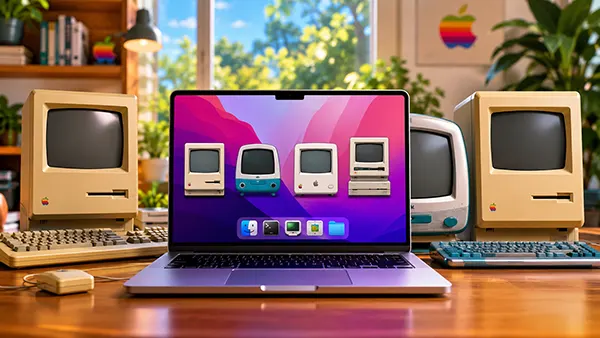
Apple Silicon has changed the way Mac hardware operates, but it has not eliminated interest in older versions of Mac OS. Many developers, collectors, software historians and enthusiasts still need access to legacy applications that were designed for Motorola 68k or PowerPC processors. Modern Apple Silicon systems cannot run these operating systems natively, which makes emulation an essential solution. In 2026, several mature projects, including SheepShaver, Basilisk II, QEMU and UTM, allow users to recreate classic Macintosh environments on current-generation Macs with impressive compatibility and performance.
Why Classic Mac OS Emulation Remains Relevant in 2026
Despite the age of Mac OS 7, Mac OS 8 and Mac OS 9, these systems continue to be valuable for preserving software history. Many creative applications, educational programs and specialist business tools were never updated for modern macOS releases. Emulation provides a practical way to access them without maintaining ageing hardware.
Another reason for continued interest is digital preservation. Museums, software archivists and researchers use emulators to document how applications behaved on original systems. Running a preserved operating system image inside an emulator helps maintain access to software that might otherwise become unusable.
Apple Silicon Macs have become powerful enough to emulate historical hardware with minimal resource consumption. Even entry-level systems can run multiple classic Mac environments simultaneously, making them useful for testing, education and archival work.
Hardware Architecture Challenges on Apple Silicon
One of the primary obstacles is the difference between processor architectures. Older Macintosh computers relied on Motorola 68000-series processors and later PowerPC chips, while Apple Silicon uses ARM-based architecture. Software written for one architecture cannot run directly on another without translation or emulation.
Classic Mac operating systems also depend on hardware components that no longer exist in modern computers. Sound systems, graphics interfaces, storage controllers and firmware behaviour often need to be recreated virtually before the operating system can function correctly.
Modern emulators solve these issues by simulating the expected hardware environment. The user sees a familiar Macintosh desktop, while the emulator translates instructions between old software and current Apple Silicon processors in real time.
Comparing SheepShaver and Basilisk II for Classic Macintosh Systems
Basilisk II remains one of the most practical solutions for running Macintosh System 7 and Mac OS 8.1. It focuses on emulating Motorola 68040-based Macintosh computers and is widely used for running early Macintosh software that predates the PowerPC era.
SheepShaver extends support to PowerPC-based Macintosh environments and can run Mac OS 8.5 through Mac OS 9.0.4. For users interested in later classic applications, including productivity tools and multimedia software from the late 1990s, SheepShaver is often the preferred choice.
Both projects continue to receive community maintenance in 2026. Although development activity is slower than in commercial software projects, compatibility improvements and Apple Silicon support have helped keep these emulators relevant for modern users.
Strengths and Limitations of Both Emulators
Basilisk II generally offers excellent performance because it emulates a simpler hardware environment. Installation is relatively straightforward, and many classic applications operate exactly as expected. However, support is limited to operating systems designed for 68k Macintosh computers.
SheepShaver provides access to later PowerPC software but has stricter compatibility requirements. Certain applications that rely heavily on specific hardware features may not function correctly, and Mac OS 9.1 or later versions are generally unsupported.
Neither emulator is designed to run Mac OS X. Users seeking support for PowerPC versions of Mac OS X require a more advanced solution capable of emulating complete PowerPC hardware systems, which is where QEMU becomes particularly useful.
Using QEMU and UTM for Advanced Macintosh Emulation
QEMU has become one of the most flexible emulation frameworks available. It supports numerous processor architectures and can emulate complete PowerPC-based Macintosh systems. This makes it possible to run certain versions of Mac OS X that would otherwise be inaccessible on Apple Silicon hardware.
UTM acts as a graphical front-end built on top of QEMU and has gained significant popularity among Mac users. Instead of relying on command-line configuration, UTM provides a user-friendly interface for creating and managing virtual machines.
For Apple Silicon owners, UTM simplifies the process of configuring virtual hardware, allocating memory, attaching disk images and managing operating system installations. This accessibility has helped introduce Macintosh emulation to a wider audience beyond technical specialists.
Choosing the Right Emulator for Your Needs
Users interested in System 7 or early Mac OS 8 software will usually achieve the best results with Basilisk II. Its lightweight design and strong compatibility with Motorola 68k applications make it ideal for preserving older software collections.
Those who need access to later classic Mac OS releases should consider SheepShaver. It offers a good balance between usability and compatibility for PowerPC-era applications while remaining relatively easy to configure on Apple Silicon systems.
For advanced projects involving PowerPC hardware emulation or selected versions of Mac OS X, QEMU and UTM provide the greatest flexibility. Although configuration may require additional effort, they offer capabilities beyond what traditional classic Mac emulators can achieve. As of 2026, these tools collectively ensure that decades of Macintosh software remain accessible on the latest Apple hardware.